From Blueprints to Algorithms: The Future of BIM, CAD, and Computational Architecture

In the ever-evolving world of architecture and construction, the shift from hand-drawn plans to intelligent, generative design workflows has been nothing short of revolutionary. What started with computer-aided drafting (CAD) has now matured into Building Information Modelling (BIM) and computational architecture, powered by algorithms, AI, and big data.
But where do we go from here?
This blog dives into the past, present, and future of these digital design tools—how they’re converging, what challenges they face, and what emerging technologies are poised to reshape the way we design and build.
A Brief History: From Drafting Boards to Digital Twins
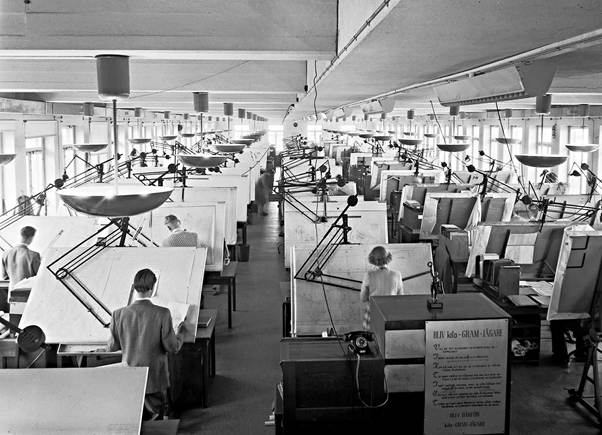
- 1970s–80s | Rise of CAD: CAD replaced traditional manual drafting, offering faster and more accurate 2D representations. It was a game-changer for producing plans, sections, and elevations with repeatability and ease.
- 1990s–2000s | BIM Emerges: BIM introduced the idea of a data-rich 3D model where every element (wall, beam, window) carries embedded information—material, size, cost, energy performance, etc. BIM became a collaborative platform across disciplines.
- 2010s | Computational Design Takes Off: With tools like Grasshopper for Rhino, Dynamo for Revit, and parametric modelling environments, architects started using algorithms to generate complex forms and automate design tasks. Design became less manual and more rule-driven.
Today’s Landscape: Where BIM, CAD, and Computational Design Converge
The boundaries between BIM, CAD, and computational architecture are increasingly blurred. Professionals now use these tools in hybrid workflows:
- Draft conceptual designs using parametric tools
- Transition to BIM for detail modelling, clash detection, and scheduling
- Export to CAD or CAM tools for documentation and fabrication
Key Drivers in Today’s Practice:
- Sustainability & performance-based design
- Collaboration through cloud platforms
- Automation in repetitive tasks
- Integration with GIS and real-world data
Emerging Trends & Technologies Shaping the Future
1. AI-Driven Design Assistants
AI can now generate space plans, suggest materials, or optimize orientation for thermal comfort. These tools augment the architect’s decisions by analyzing thousands of possibilities in seconds.
2. Generative & Parametric Design
Instead of drawing, architects set rules and constraints, and algorithms generate multiple design options. This is already being used in urban planning, facade optimization, and structural systems.
3. Digital Twins & Real-Time Sensors
A digital twin is a live BIM model connected to IoT sensors embedded in buildings. These twins provide real-time data on performance, energy use, and occupant behaviour—crucial for facility management and predictive maintenance.
4. Cloud Collaboration & Common Data Environments (CDEs)
Platforms like Autodesk Construction Cloud, Trimble Connect, and BIM 360 enable multiple stakeholders to work on the same model simultaneously across geographies.
5. XR – Extended Reality (AR/VR/MR)
Augmented and virtual reality are being used for immersive design reviews, site walkthroughs, and client presentations. Imagine walking inside your building before it’s even built.

6. Robotics & Fabrication
CAD-CAM integration and robotic construction techniques—like 3D printing of buildings or robotic assembly of timber joints—are becoming more common, reducing material waste and labour dependency.
Challenges Ahead
Despite these promising developments, the transition isn’t seamless:
- Interoperability Issues: Different software platforms often struggle to communicate, leading to data loss or duplication.
- Skill Gaps: The shift from drafting to scripting or algorithmic thinking requires reskilling and training.
- Data Overload: With more sensors and models, managing data meaningfully becomes a challenge.
- Cost of Technology: Advanced tools and licenses can be expensive, especially for small firms or in developing contexts.
- Legal and IP Concerns: Who owns a generative design created by an AI trained on thousands of previous projects?
What Lies Ahead?
The next frontier is a seamless, intelligent, and real-time design environment. Here’s what we might see:
- AI-Centric Co-Design: Architects collaborating with AI—not just for efficiency, but for creativity and innovation.
- Fully Integrated Platforms: One platform managing everything from zoning regulations to robotic assembly.
- Zero-Carbon Design Modeling: Integrated tools that track and reduce carbon footprint at every design stage.
- Regulation-Aware Design Systems: Tools that automatically adapt designs to meet local codes and bylaws.
- Open-Source Design Libraries: Global sharing of parametric components and scripts for more democratized design.
Conclusion: The Role of the Designer is Changing
The tools of architectural design have evolved from rulers and pens to scripts and simulations. But even in an era of AI and automation, design remains a human-centered process. The challenge is to harness these technologies not just for efficiency, but for better, smarter, and more inclusive architecture.
As we look forward, the convergence of BIM, computational thinking, and digital drafting is not just about drawing faster—it’s about thinking differently.
Want to stay updated on computational design tools, BIM workflows, and digital architecture?
Bookmark our blog and explore our professional courses and training sessions on BIM and emerging technologies.