Can BIM Help Preserve the Past? Applications of BIM in Heritage Conservation

In a field rooted in the future, how can a digital tool like Building Information Modelling (BIM) serve the needs of the past? That’s the question conservation architects, engineers, and heritage professionals are asking as they explore the expanding potential of BIM—not just for new construction, but also for documenting, managing, and conserving historic structures. As cities grow and evolve, the pressure to preserve architectural heritage becomes more urgent. Integrating digital technologies into the traditionally manual and detail-driven process of conservation opens up new opportunities—and challenges. This blog explores how BIM is being adapted and applied to historic buildings, commonly referred to as Heritage or Historic BIM (HBIM).
What is Historic BIM (HBIM)?
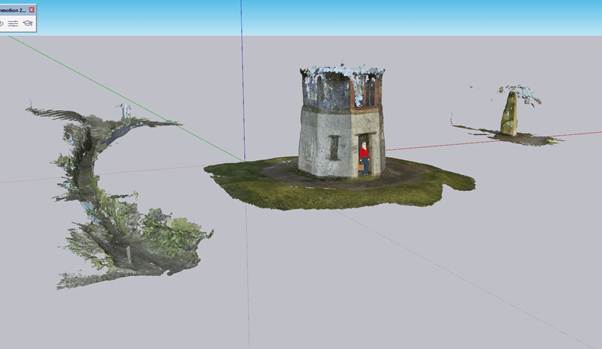
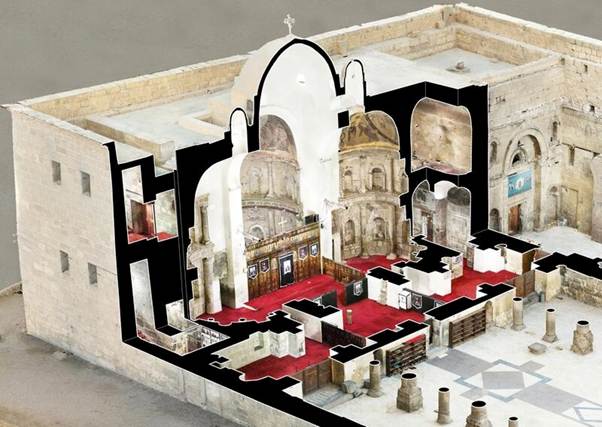
Historic BIM (HBIM) is a specialized application of BIM for heritage structures. While conventional BIM starts with a design and builds forward, HBIM works in reverse—it starts with an existing structure and builds backward into a digital model. These models are often based on data captured from laser scanning (LiDAR), photogrammetry, and manual surveys.
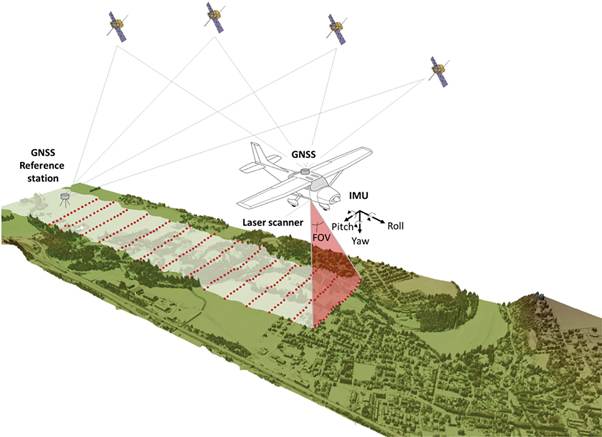
HBIM doesn’t just represent the 3D form—it also embeds historical data, material information, deterioration patterns, past repairs, and conservation records into the model.
Key Applications of BIM in Heritage Conservation
1. Accurate Documentation & Digital Archiving
BIM provides a digital twin of a structure, offering high-precision documentation of form, dimensions, and materials. This model can serve as a baseline for any restoration or conservation work, especially when original drawings are missing or outdated.
2. Damage Assessment & Maintenance Planning
HBIM models can record areas of decay, structural cracks, weathering, or other forms of deterioration. Engineers and conservators can analyze this data to predict future damage and plan preventive maintenance.
3. Simulation of Conservation Interventions
Before physically altering a historic structure, BIM allows simulation of interventions—such as adding new structural supports or replacing damaged materials. This helps stakeholders assess visual impact, structural behavior, and cost without affecting the actual building.
4. Clash Detection in Sensitive Retrofits
Retrofitting historic buildings often involves adding modern MEP systems (Mechanical, Electrical, and Plumbing). BIM allows clash detection to ensure that new systems don’t interfere with historic fabric or aesthetics.
5. Collaborative Conservation Across Disciplines
BIM facilitates coordination among architects, structural engineers, historians, archaeologists, and policymakers. Everyone works on a centralized model, ensuring that updates and decisions are tracked and collaborative.

Challenges in Applying BIM to Historic Structures
Despite its benefits, HBIM faces some challenges:
- Data Complexity: Historic buildings are often irregular, weathered, or undocumented, making it difficult to create accurate digital models.
- Lack of Standardization: There are no universal modeling standards for heritage elements like cornices, carvings, vaults, or period-specific materials.
- High Initial Cost: Scanning, modeling, and data management require skilled professionals and advanced equipment.
- Software Limitations: Many commercial BIM tools are geared toward modern architecture and may struggle with organic or vernacular forms.
Real-World Examples of HBIM in Action
- Notre-Dame Cathedral, Paris: After the 2019 fire, HBIM played a crucial role in planning restoration by using pre-existing laser scans to digitally reconstruct lost parts.
- Palazzo Valentini, Rome: A detailed HBIM model was created to manage conservation and public exhibitions within the archaeological site.
- Red Fort, India (Pilot Project): Some conservation efforts in India have used BIM for heritage sites under Smart City or UNESCO programs.
The Future of BIM in Conservation
As technologies evolve, the integration of AI, IoT sensors, AR/VR, and GIS with HBIM will make heritage management smarter and more responsive. Augmented reality experiences could allow tourists to explore restored or lost elements virtually, while real-time sensors embedded in heritage buildings could feed data directly into the BIM model for monitoring.
Conclusion
BIM is no longer just a tool for modern skyscrapers—it’s becoming a vital part of protecting our architectural past. While the journey from dusty heritage records to dynamic digital twins is still ongoing, the potential of HBIM to revolutionize conservation is undeniable.
Whether you’re an architect, planner, student, or heritage enthusiast, embracing BIM in heritage conservation isn’t just about using technology—it’s about telling the stories of the past with tools of the future.
Suggested Reading/Resources:
- “Historic Building Information Modelling (HBIM): A Review” – Elsevier
- “Scan to BIM for Heritage” – Autodesk Guide
- “UNESCO Guidance on Digital Documentation of Heritage Sites”